





Virtual Reality vs. Augmented Reality: Which Will Lead the Future of Gaming?
Blog Jeremy Patterson 21 Nov , 2025 0
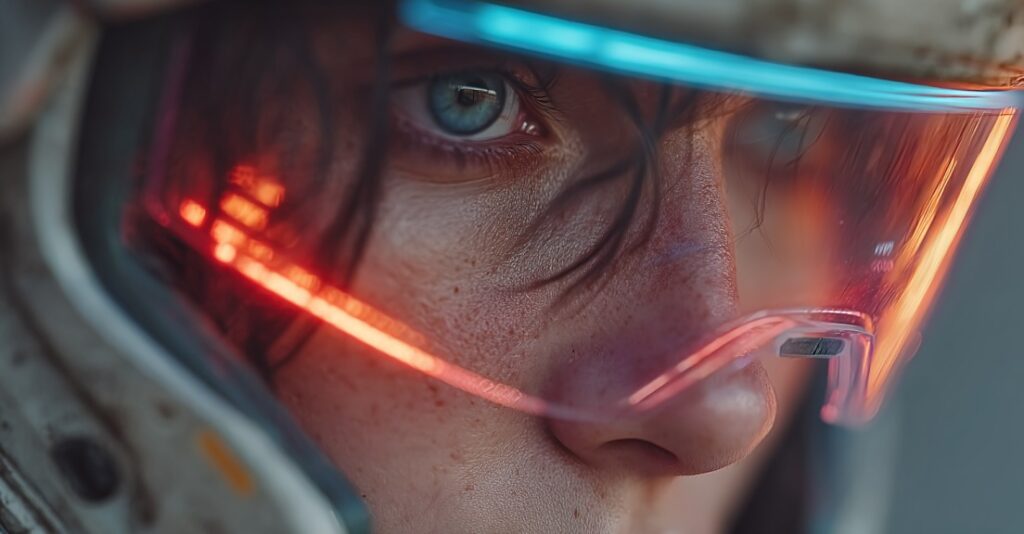
Virtual reality and augmented reality have leapt from niche curiosity to essential pillars in the gaming conversation. Gear that once seemed out of reach is now common talk among gamers and tech fans alike. In many ways, these technologies are shaping the Future of Gaming. Studios are constantly stretching the limits of their hardware, searching for that sweet spot between full immersion and clever layers of digital content mingling with everyday environments.
A recent Splashtop industry report from 2024 highlights the striking growth and unique strengths on both sides. The numbers speak for themselves: the global AR gaming market is expected to reach $31.7 billion by 2028, and VR gaming is edging steadily into popular awareness. The discussion has shifted, which tech will become the standard way millions play, connect, and compete, and which approach sits just ahead in the race.
Changing immersion, interaction and play
When it comes to transporting players somewhere new, VR is the powerhouse. Headsets and controllers wall off the outside world, plunging gamers into digital adventures. Think about what happens in Beat Saber or Half-Life: Alyx. Here, distractions mostly disappear and the player gets lost in the experience. Yet despite the promise, Splashtop estimated last year that under 10 percent of casual gamers had adopted VR, likely because of expense and steep hardware requirements, a contrast to lighter experiences like online slots that require far less equipment.
AR offers a different kind of magic, layering digital objects onto whatever your camera sees. The format asks less of users, usually just a smartphone, no fancy hardware required. The biggest AR breakthroughs, such as Pokémon GO, proved that games could happen anywhere, blending with daily life instead of uprooting it. Rather than a total escape, AR provides a partial, practical immersion that feels perfectly suited to players who want a bit of play without pausing their routine. One mode thrives on escape, the other on ease and spontaneity.
Hardware, accessibility, and hybrid innovations
The rise of AR gaming is tied closely to its accessibility. Mobile games and interactive apps exploded, mainly because most required little more than the phone in your pocket and, occasionally, a simple AR accessory. This has opened gaming’s doors to a broader, less predictable audience; there’s no need for high-end rigs when playgrounds, city parks, or coffee shops can become the backdrop. Side by side, VR has made headway too, becoming lighter and a bit easier on the wallet, but the gap remains.
The online world keeps evolving, and now offers options that blend deep simulations with AR overlays, even certain interactive AR bonus rounds can appear right on your kitchen table, while other titles favor VR for immersing the player completely. According to a Kantar study in 2024, convenience and instant access were deal-breakers for more than sixty percent of gamers, while a third leaned toward deeper, more consuming play. Clearly, the gaming public wants both extremes: quick entry sometimes, total immersion at others.
Evolving gameplay and industry direction
As developers experiment, more hybrid experiences are arriving, each borrowing the strongest elements from VR and AR. VR currently leads for games that depend on narrative drive, competitive eSports, or detailed simulators, where immersion is everything. Those willing to invest in top-tier setups keep VR growth alive, even if the group remains specialized for now. In the meantime, AR surges on the back of social events and the ever-present mobile device, shaping what many see as the Future of Gaming. It is fueling activities like large-scale scavenger hunts, location-based multiplayer, and live meetups, all thanks to how easily it fits into real-world routines.
Interestingly, the distinctions between AR and VR are getting blurry. Some studios are exploring games that support both styles, offering AR and VR play in the same title. Social platforms, including Discord, are dabbling in mixed reality chatrooms that reshape how friends connect. Reports from Acer in 2024 show that major engines like Unreal and Unity now bake in tools for both, fueling crossover creations that were nearly unthinkable two years ago. The landscape changes fast, and regulation often lags while creators try new concepts at breakneck speed.
Looking ahead: forecasts and market sentiment
Survey data indicates the two technologies are gradually merging, not simply rivaling each other. Prices for hardware drop regularly, and every new headset teases lighter builds, better displays, and more comfort. Meanwhile, AR, as tracked by Picoxr, is expected to outpace VR’s user base through 2026, largely because it rides atop the enormous smartphone market and makes play effortlessly available. Partnerships between streaming services, esports teams, and game publishers are cropping up across both platforms, pointing to a future of broad adoption.
Player attitudes are split, but the mood is upbeat. Some gravitate toward AR for how it slots into busy lives; others crave the full-body involvement that VR can deliver. Many big publishers now announce support for both, sometimes within the very same franchise. The most likely outcome is a world where both thrive, each better for certain genres and audiences, with hybrid options gaining steam alongside.
Responsible play and the shifting landscape
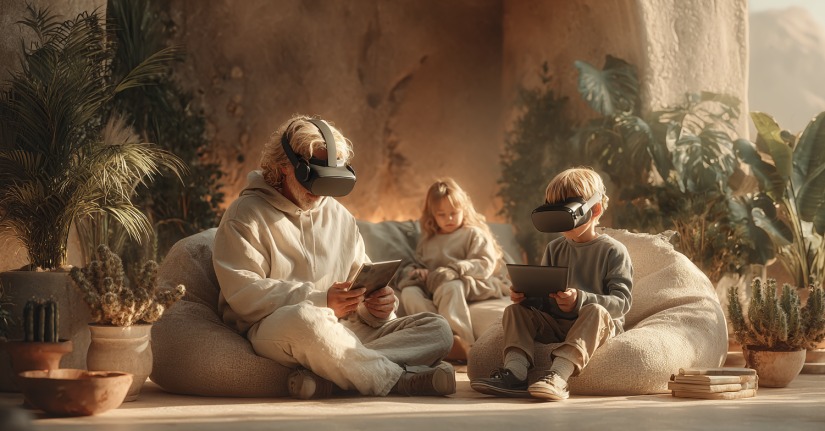
As AR and VR broaden gaming’s appeal, they also bring responsibilities. Easier access means a more diverse audience, and that in turn calls for better safety nets to prevent unhealthy habits. Newer games now build in features like time management tools, content filters, and parental controls, regardless of the platform. Families and educators find themselves with a growing role, helping people find balance without missing out on fun or challenge. Things are moving fast, but the core mission stays the same: enjoyable, safe, and rewarding digital experiences for everyone. Whether you prefer fast, casual AR games on the move or want to lose yourself in VR’s digital realms, striking a healthy balance and keeping perspective matter more than ever. That’s what will help gaming, in all its new forms, stay positive and inclusive as the landscape keeps shifting — a crucial part of the Future of Gaming.