




An analysis of the most absurd microtransactions and skins that sell for more than the game itself.
Blog Jeremy Patterson 22 Dec , 2025 0
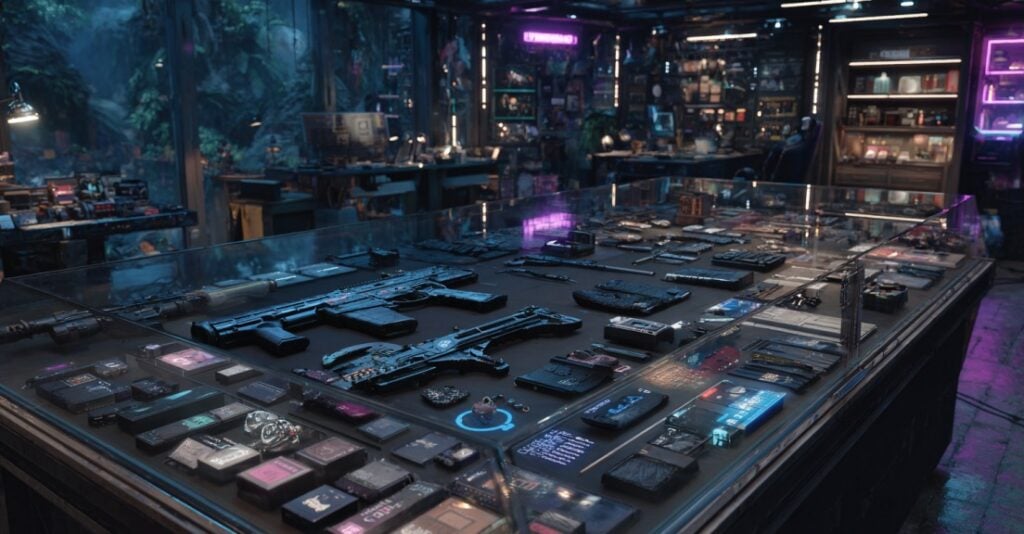
If you’ve spent any time in the modern gaming world, you’ve probably had a moment where your jaw dropped. You’re looking through a digital marketplace, perhaps comparing items to the straightforward value seen in other leisure activities, for instance, the clear-cut odds you might encounter when browsing games at Pin Up Casino – and then you see it: a purely cosmetic item, a digital coat of paint, selling for thousands of dollars. We’re talking about absurd microtransactions and skins that sell for more than the game itself.
How is this even possible? Why would a player spend the cost of a used car on a virtual item that offers zero competitive advantage? This isn’t just bizarre; it’s a fascinating, positive testament to the power of digital ownership and community. This whole virtual gold rush is fueled by psychology, scarcity, and a brilliant understanding of gamer desire.
Where the Money Flows: Understanding the Virtual Gold Rush
To appreciate the craziness, we have to look past the pixels and examine the economics. We’ve established a robust, player-driven marketplace for virtual goods where status and self-expression are the true currencies.
The Psychological Power of Scarcity
The market value of these top-tier skins is entirely driven by scarcity. Developers are masters at introducing items that are “time-gated” (available for a short period), tied to an extremely low drop rate (the digital equivalent of a lottery ticket), or, most effectively, permanently discontinued. This taps into the powerful psychological pull of FOMO (Fear Of Missing Out) and the basic human desire to own something that very few others possess.
A Contrast in Value: Skin Markets vs. Traditional Entertainment
The distinction in value between these digital assets and traditional leisure is stark. When you engage with an online game, the value is immediately transparent, tied directly to potential outcomes. However, the secondary market for gaming items, be it a rare collectable in a theoretical game or a highly coveted CS2 weapon skin, operates on status and collectable appeal. This is the difference between a functional item and an art piece whose value is determined purely by culture and community demand.
Case Studies in High-Value Absurdity
Let’s talk about some real-world examples that make your eyes water. These aren’t just hypotheticals; they represent serious capital.
The Digital Status Symbol: When a Knife Costs a Car
The most famous examples come from the world of competitive first-person shooters. Why would someone pay $40,000$ for a particular virtual knife skin? Because that knife, or a glove skin, is instantly recognisable as ultra-rare. It serves as a loud, immediate status symbol within the game’s competitive ecosystem. It tells everyone in the lobby, “I’m an original owner,” or “I have serious disposable income.” That recognition and instant respect are what the buyer is actually purchasing.
The E-Sport Premium: Rarity Tied to Professional Glory
Another crucial factor is the connection to e-sports. Some of the most expensive items are “Souvenir” skins tied to major tournament finals. If an item was dropped at a specific, legendary match, its value skyrockets. The item is no longer just a texture; it’s a piece of competitive history. It allows the owner to feel intrinsically linked to a moment of digital glory, justifying the astronomical price tags.
The Developer’s Genius: Designing for Desire
Developers aren’t just throwing darts at a monetisation board; they are applying sophisticated psychological principles to design the ultimate collectable market.
The Art of the ‘Loot Box’ Reveal
The success of microtransactions hinges on the initial delivery model. The loot box (or case) itself is designed as a reward mechanism. The anticipation, the spinning wheel, the high-quality animation for the reveal – all of this triggers pleasure centres. Even players who never invest thousands often spend hundreds chasing that tiny, exhilarating possibility of landing one of the high-value skins. This is a genius development designed to maximise excitement and sustained engagement.
Creating the Feeling of ‘Must-Have’
Successful monetisation isn’t just about selling; it’s about community influence. Developers collaborate with streamers and professional players, ensuring these rare items are constantly in the spotlight. When the most skilled player in the world uses a particular glove, its desirability instantly increases across the entire player base. They create a culture where the item defines your commitment to the game.

Conclusion: The Positive Power of Digital Ownership
Ultimately, this market for absurd microtransactions is a very positive sign of a healthy, engaged gaming community. It proves that players value their virtual goods not for utility, but for culture, history, and self-expression. High skin values show the world that digital achievement and ownership are now firmly established forms of social capital. While a beginner might wonder why a texture costs more than their first car, the experienced gamer understands: they are buying a piece of history and a guaranteed badge of honour that lasts as long as the community continues to value it.