




The Role Of Community In Modern Gaming
Blog Jeremy Patterson 02 Dec , 2025 0
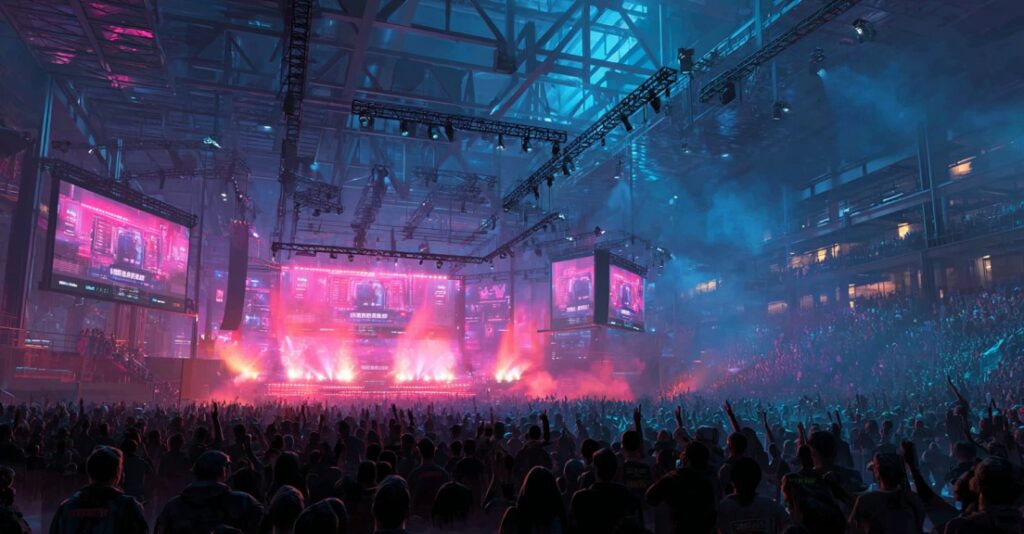
Gaming once felt more like a quiet hobby that took place in living rooms or small arcades. Now it feels more like a shared world. In the era of Modern Gaming, players gather in groups and forums. They stream long sessions online. The rise of strong communities has shaped almost every part of gaming and even drives new styles of play.
It keeps old games alive and even defines how esports teams rise and fall.
Esports And The Power Of Shared Spaces
Esports sits at the heart of modern gaming culture. The scene grew fast because players wanted to connect. There was suddenly a new demand for places to practise and compare skills. That need pushed the creation of fan hubs.
These hubs feature match breakdowns or statistics that help fans understand plays. Many sites also track odds or predictions since people enjoy looking at numbers to see how matchups might unfold. This steady flow of discussion holds the scene together. Thunderpick has proven to be a site where people can delve into the statistics and make their choice for what they think might happen in the upcoming fixtures and tournaments. It also covers the huge variety of different esports that are now on the market.
Streaming shaped the next phase for a lot of players of esports games (and fans of the teams). Players began to broadcast sessions and opened the door to massive shared experiences. A single match could have thousands watching. They post reactions in real time. The whole setup feels like a global club built around favourite titles.
People play games like Valorant and other huge Triple A titles, which receive constant updates that revitalise the game. The scene is quick to react when there are new updates on games. It keeps everybody informed and updated on the latest changes from the huge game development studios.
The rise of team houses and training groups came from this same need. Esports players work together and share ideas. Fans do the same thing on the outside when they gather in social groups or platforms that revolve around the games they follow. Community keeps these games from drifting out of sight.
Retro Games And Long-Term Loyalty
Retro gaming survived because of communities. Many old titles would have faded if not for groups that kept them alive through mod packs or emulators. These players collect old hardware. They rebuild cartridges and may also talk about tricks or hidden paths. A sense of shared love keeps the classics fresh and thriving. A good game is a good game regardless of when it was released!
Online forums also act as digital museums. Someone may ask how to beat an old boss or how to get a long-lost console working again when they really fancy some 90s games. Someone else jumps in with a fix. Teamwork brings new life to games that came out decades ago.
Retro tournaments add another layer. People gather to compete in games that run on tiny pixel screens and showing that it isn’t just reserved for gaming. Retro games like Pixel Bowl have even been released in recent years and unlocked to work in all sorts of browsers.
Console And PC Games With Strong Community Hearts
Most of the big console and PC hits owe a lot to their communities. Some players like games that focus on cooperation. Others love titles filled with large open worlds where there is room for a lot of shared support and attention. Look at the way community-based games like No Man’s Sky have gone on to prove to be huge in the industry and draw millions of intrigued fans all adding their own voices.
Large builders and survival games often have strong mod scenes. Players add new tools or worlds within the games. Some of them choose to swap files. They may also teach one another how to build better bases or find rare items. The developers may release the core title, and the community keeps it fresh. This helps the game last for years.
Competitive shooters also rely on the community. Players form clans and groups to schedule matches. They build guides for beginners. Voice chat groups keep people talking long after a session ends.
Why Community Matters So Much
Gaming has grown far beyond single-play sessions. The community turns each title into a wider world. People stick with a game when they feel linked to others. They learn faster and stay longer. This gives developers space to grow and refine each title.
A strong community also builds trust. When players help one another, the whole experience feels balanced. Twitch and YouTube have become where gaming lives and breathes. Community content makers help shape a gaming culture that invites new players without fear.
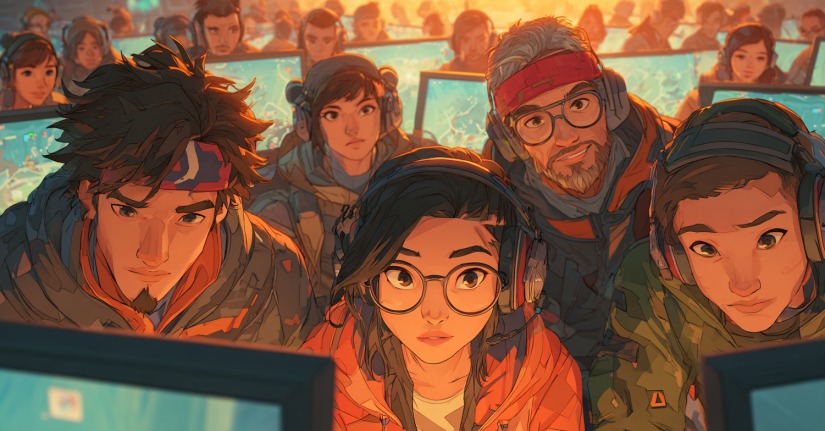
Developers are also known to watch and monitor these groups because they often show where the culture is heading – some even listen to direct feedback.
The Future Of Community-Driven Gaming
Community stands as one of the strongest forces in gaming. In Modern Gaming, it brings people together across long distances and turns a regular session into a shared journey. The games may change year after year, but the community spirit stays steady.